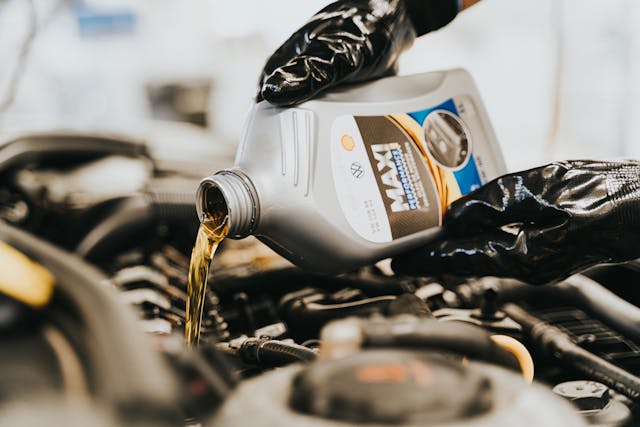

Your car’s engine oil is more than just a lubricant — it’s the lifeblood of your engine. It reduces friction, cools moving parts, cleans internal components, and helps protect the engine against wear and corrosion. But with so many brands and types available, choosing the right engine oil can be confusing. Understanding what your vehicle needs is key to keeping it running smoothly and efficiently.
1. Understand Your Vehicle’s Requirements
The first step in choosing the right engine oil is to consult your owner’s manual. Every vehicle manufacturer specifies the type, grade, and viscosity of oil suitable for your engine. These recommendations are based on engine design, performance requirements, and climate conditions.
Using the wrong oil can affect fuel economy, cause excessive engine wear, or even void your warranty.
2. Know the Oil Viscosity Rating
Viscosity refers to the oil’s thickness and how easily it flows at different temperatures. It’s indicated by a code such as 5W-30 or 10W-40 on the oil container.
The first number (before the “W”) indicates how the oil flows in cold temperatures — the lower the number, the better it performs in cold starts.
The second number shows how it behaves at high engine temperatures — the higher the number, the thicker the oil film at operating temperature.
For example, 5W-30 oil flows easily in cold weather but remains stable in high heat, making it suitable for most modern cars.
3. Choose Between Mineral, Semi-Synthetic, and Full Synthetic Oils
Engine oils come in three main types:
Mineral Oil: Derived directly from crude oil, it’s affordable but breaks down faster under high temperatures. Suitable for older or low-performance engines.
Semi-Synthetic Oil: A blend of mineral and synthetic oils, offering a balance between cost and performance. Ideal for everyday driving.
Full Synthetic Oil: Engineered for maximum protection and efficiency. It resists oxidation, handles extreme temperatures, and extends engine life — perfect for modern, high-performance engines.
While synthetic oils cost more, they provide better protection and longer drain intervals.
4. Consider Your Driving Conditions
How and where you drive affects the type of oil your car needs.
City driving with frequent stop-and-go traffic puts extra strain on your engine, so a high-quality synthetic oil may be best.
Highway driving or long-distance travel allows the engine to run at a steady temperature, so standard-grade oil may suffice.
Hot or dusty climates require oil with stronger heat resistance and cleaning additives.
Cold climates need oils with lower “W” ratings for easier starts.
5. Check for Certification and Quality Standards
Always look for oils certified by recognized organizations such as:
API (American Petroleum Institute) – ensures quality and performance standards.
ACEA (European Automobile Manufacturers Association) – defines European performance standards.
ILSAC (International Lubricant Standardization and Approval Committee) – common for newer petrol engines.
Choosing oil with these certifications guarantees it has passed rigorous tests for protection, efficiency, and durability.
6. Don’t Forget Regular Oil Changes
Even the best engine oil must be changed periodically. Over time, oil breaks down, collects dirt, and loses its protective properties. Follow the manufacturer’s recommended oil change intervals — typically every 5,000 to 10,000 kilometers, depending on the oil type and driving habits.
Always replace the oil filter when changing the oil to prevent contamination.
7. Final Thoughts
Choosing the right engine oil isn’t just about picking a brand — it’s about understanding your car’s needs, your driving conditions, and the oil’s characteristics. The right oil enhances engine performance, improves fuel economy, and extends your vehicle’s lifespan.
When in doubt, consult your mechanic or refer to your car’s service manual. Investing a little time and care in selecting the proper engine oil today can save you costly repairs tomorrow.