
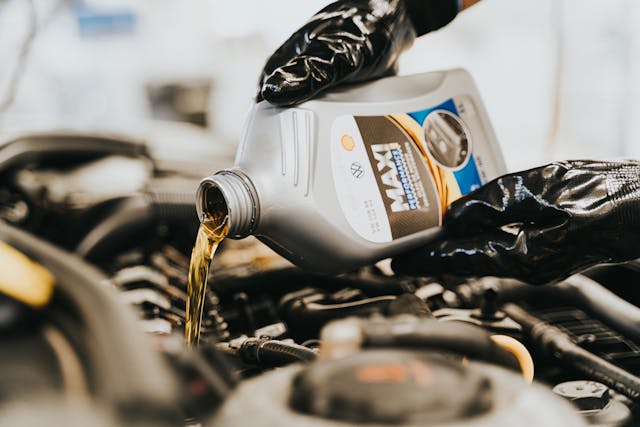
Which engine Oil to use for your vehicle…?
Normally this question baffles and lingers in many a European brand car driver minds. Today we try to debunk this paradox for you. Most importantly is to always check on your engine oil refill cap, or follow the manufacturer oil specification printed in the owner’s manual for the right viscosity and oil specifications to use.
For BMW: look for BMW Longlife specifications like (LL-01, LL-04, LL-01 FE / LL-12 FE variants). Longlife LL-01 was introduced around 2001 and is suitable for BMW petrol and diesel cars without Diesel Particulate Filters (DPFs). In East Africa the preferred viscosity for use are 5w30 and 5w40 because of our equatorial temperature. The BMW LL-04 used in vehicles with DPFs is normally referred too as a “middle to Low SAPS” (Sulphated Ash, Phosphorus, Sulphur) engine oil, developed still for both petrol and diesel engines. It is backward compatible meaning it would still work well in the older engines. BMW LL-04 is a specification for both performance and formulation, so it’s always prudent to check out the right viscosity to use based on your engine and climate. The BMW LL-01 FE was designed for fuel economy engines that meet the Euro 4,5 and 6 requirements. The BMW LL-12 FE is a newer spec for vehicles with DPF that meet the Euro 4, 5, and 6 requirements.
Mercedes: Just like above with BMW, always look at your manufacturers manual or the fuel refill cap. MB 229.5 is a multi-grade oil spec suitable for many petrol and diesel engines without DPFs, for example petrol engines like M122, M270, M271, M272, M273, M274, M276, M278, M281 and for diesel engines without DPFs to include; OM642, OM646, OM651 engines. The common viscosity for East Africa are 5w40, 5w30 depending on climate in your region. On the other hand, MB229.51 is a low SAPs synthetic oil for use in petrol and diesel engines including those with DPF filters. Likewise, the common viscosity are 5w30, 5w40 for our climate in East Africa. The common petrol engines that use this bracket of oil include; M256, M264, M266, M272, M274, and for diesel, without DPFs the common engines that use the oil are; OM642, OM646, OM651, and those with DPFs the engines are; OM654, OM646, OM651, OM626. The recent released MB 229.52 is suitable for use in vehicles with DPFs and Selective Catalytic Reduction (SCR) particularly the BlueTec line of engines. It is also backward compatible meaning it also covers vehicles designed for MB229.51.
VW Group (VW / Audi): The common specs VW 502.00 / 505.00 / 505.01 / 504.00 / 507.00 and newer 508 00 / 509 00; many modern cars use 504/507 (5W-30) or 508/509 (0W-20) — choose the VW spec required for your engine. VW 502.00 is a specification for gasoline (petrol) engines that require fixed service intervals as opposed to longlife or variable intervals (for example if your car service interval is indicated as service every after 10,000km this is termed fixed service as opposed to “service within 10000km” or “service longer than 10000km”) which us termed variable service. This Oil normally has viscosities like 5w40 and 5w30 for our EA regional climate. VW 505.00 is a spec for diesel engines without DPFs and having fixed service requirements. The VW505.01 spec was developed for diesel engines with pump-injector systems normally referred as PD from (Pumpe- Duse). It also covers fixed service interval vehicles and is backward compatible for use in vehicles of VW 502.00 and VW 505.01. The VW 504.00/VW 507.00 are used in vehicles with long-life service intervals for both gasoline and diesel respectively and also are designed for modern emissions and exhaust after treatments. On the other hand, VW508.00/509.00 are for modern gasoline and petrol engines respectively that use very low viscosity oil (0w20) and are designed for fuel economy, low friction, and modern emission systems. They are not backward compatible with older oils. Example of vehicles in this category are 2.0L TFSI, 1.4L TFSI, 3.0L TFSI, many Audi Q3, Q5, A4, A6, A3, VW Tiguan, Jettas, Golf, Passat, Beetle etc. and minus the supercharged versions. Always refer to your manufacturers manual or oil refill cap if not sure of the right Oil viscosity to use. I have seen many VW, Audi, Subaru engines halt (crash) because of using the wrong viscosity
Range Rover / Jaguar Land Rover: look for the STJLR approvals (e.g., STJLR.03.5006) — JLR often specifies low-viscosity 0W-20 or 0W-30 Low-SAPS oils for modern engines. STJLR is a prefix used by Jaguar Land Rover (JLR) to denote their engine oil approval standards. These specs map to various engine/fuel/emissions configurations for example;
- 03.5006. newer JLR petrol and diesel engines often low friction, fuel economy and modern emission control with 0w20 viscosity
- 03.5007 for diesel engines with DPFs
- 03.5003 is for gasoline and diesel engines without DPFs. For example, select V6, V8, 2.0L turbo petrol and diesel without DPF
- 51.5122 for gasoline engines, fuel economy grade (0w20)
Then, there is ACEA which stands for the Association des Constructeurs Europeens d’Automobiles. This body sets quality standards for engine oils within Europe. ACEA specifications indicate performance categories that help you choose oil suitable for your engine type, fuel, emission system and service interval. These standards complement the OEM standards like VW502.00, MB229.51, BMW Longlife LL-01 etc. You will often see the marks of ACEA on engine oil bottles like “Catsrol Edge 5w40 A3/B3” for example.
ACEA divides oils into four main categories;
- ACEA A/B Gasoline and light duty diesel engines
- A1/B1 Fuel economy oils for older engines or low friction extended drain applications, often low SAPs oils like 0w20, 5w30
- A3/B3 High Performance gasoline and diesel engines without DPFs suitable for long drain intervals and high loads.
- A3/B4 like A3/B3 but for direct injection diesel engines. Without DPFs. Common in BMW LL-01, MB 229.5, VW 502.00
- A5/B5 Fuel economy oils for high performance engines, low viscosity, often long life compatible. Common in modern turbo petrol/diesel engines
- ACEA C mid/low SAPs (DPF safe oils or compatible). For modern petrol and diesel engines fitted with after treatment systems like DPFs and catalytic convertors. They are normally compatible with Euro 5 and Euro 6 standards and are long drain capable
- C1 These are often low SAPs. Mainly seen in Ford/Jaguar/Land Rover requiring low-viscosity DPF-safe oils
- C2 Mid SAPs, fuel saving. Mainly used in Toyota, Peugeots, Citroens
- C3 Mid SAPs, Used mainly in BMW LL04, MB229.51 and VW 504.00
- C4 Low SAPs Used mainly in Renaults RN0720
- C5 Very Low viscosity, seen in latest engines. Seen in the VW 508.00/509.00, MB229.52
- Seen in the 2021 – engines with Euro 6 and Euro 7 compatibility.
- ACEA E Heavy Diesel engines. These are normally trucks and buses and heavy commercial vehicles with high load diesel engines. They normally have excellent soot control and oxidation stability
- E4 Non DPF, but long drain
- E6 Low SAPs for DPF equipped Euro 6 and 5 engines
- E7 General purpose (Non DPF)
- E9 Low SAPs and are DPF compatible
- E11 is for the latest releases.
- ACEA F Fuel economy & Low viscosity oils (2021+ cars) These focus on fuel economy and low viscosity oils and meet demands of Euro 6 and 5 requirements.
Bottom line is whenever you are not sure of the engine oils to use, quickly refer to the vehicle manufacturers manual or normally recommended oil is indicated on the refill cap. JES Autos not only sells parts but has consistently provided Value Added Services like this BLOG and many Do IT Yourselves on the German Car Owners forum. Hoping that the blog has been informative to you.
Management.